HomeIndustry in numbers
A small scheme that became a jobs engine
The figures IGMA puts before Government, banks and the media, with what sits behind each one.
Key figures
Jobs created by one acre of polyhouse
10–15 direct and 10–12 indirect jobs during construction; 5 direct and 5 indirect once the crop is growing.
Size of the sector
IGMA estimate for India's protected-cultivation market.
Every project supports a long chain of Indian businesses and workers
- Steel and GI pipeFabricators and galvanisers
- PVC pipe and dripIrrigation manufacturers
- Cladding and mulchFilm and net producers
- Seeds and fertiliserInput suppliers and dealers
- Construction crewsLocal skilled and unskilled labour
- AgronomistsCrop advisers and consultants
- Maintenance staffYear-round technical support
- Transport and mandisTruckers, traders and buyers
Finance and policy opened the door
Two decisions put protected cultivation within reach of far more farmers, and the industry invested to meet the demand.
- Oct 2024
AIF covers protected cultivation
Agriculture Infrastructure Fund loans, with 3% interest subvention, became available for polyhouse and greenhouse projects.
- ₹1 crore
Higher support ceiling
NHB's 2025 guidelines raised the ceiling per beneficiary from ₹56 lakh to ₹1 crore, making commercial-scale projects viable.
- Made in India
Domestic manufacturing
Almost all structural and input material is now manufactured in India, so every project's spending stays in the country.
Produce that can compete abroad
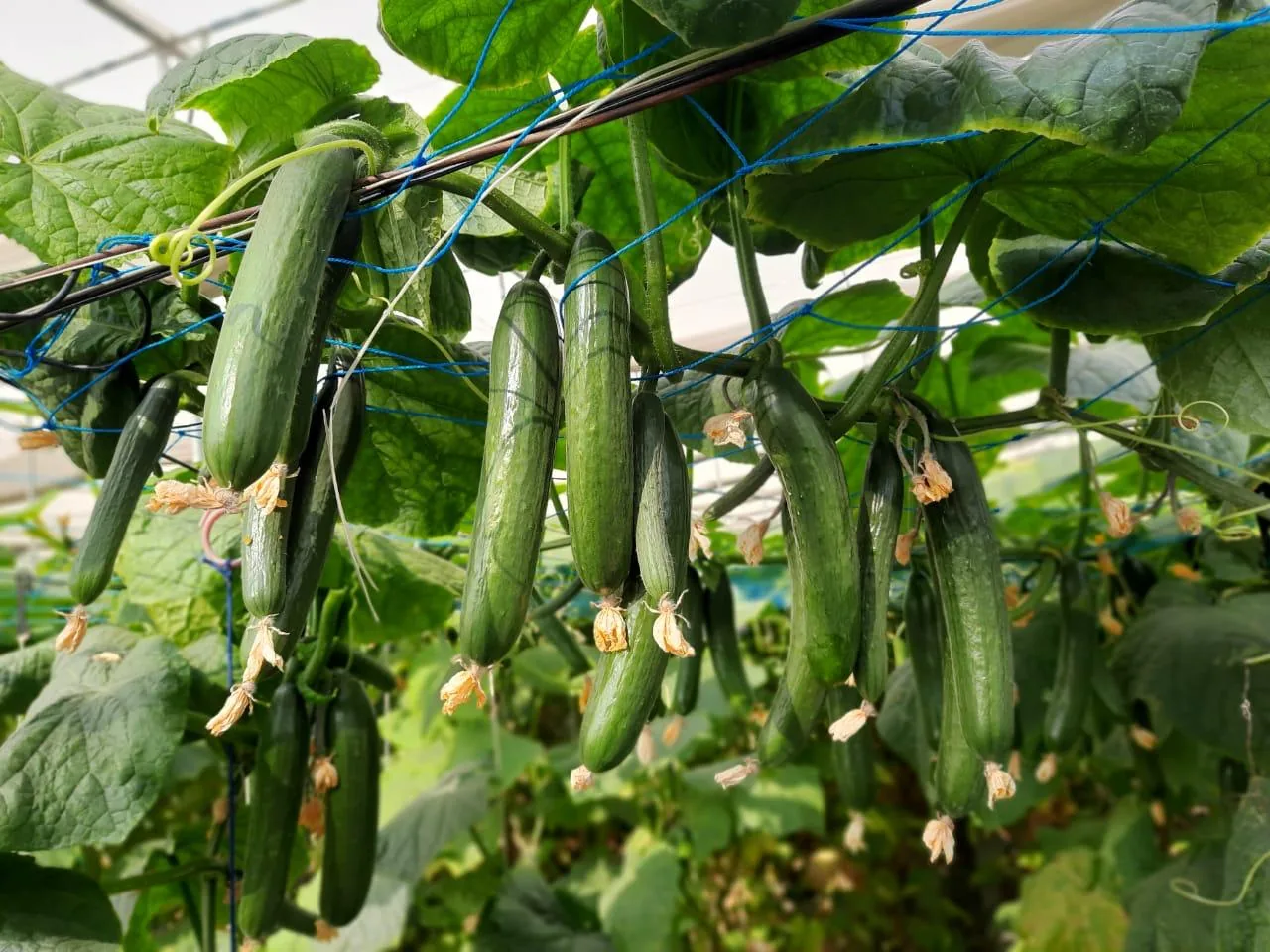
Protected cultivation produces the consistent quality that export buyers demand: cut flowers such as rose, gerbera and carnation, and exotic vegetables such as seedless cucumber and coloured capsicum.
India's floriculture exports stood at about ₹770 crore in 2024-25. Growing that number depends on more farmers producing to export standards under protection.
Source: APEDA, Floriculture and Seeds (US$88.58 million, converted at about ₹87 per US dollar).
What one polyhouse sets in motion
Pick a size to see the investment, the tax paid and the jobs behind a naturally ventilated polyhouse, using IGMA's estimating norms.
Norms used: ₹1200 per square metre including GST; GST at about 16% of project cost; 10–15 direct and 10–12 indirect jobs per acre while building; 5 direct and 5 indirect per acre once growing. Real costs vary with design, site and specification.
Each dot is one person in work once the polyhouse is growing.
Approvals and project data, FY2023-24 onwards
IGMA is compiling year-wise project clearances and support released under the protected-cultivation scheme from published records. The charts will be added here once the data is verified.
Sources: IGMA industry estimates and estimating norms, 2026; NHB guidelines, 2025; APEDA. Figures are indicative.